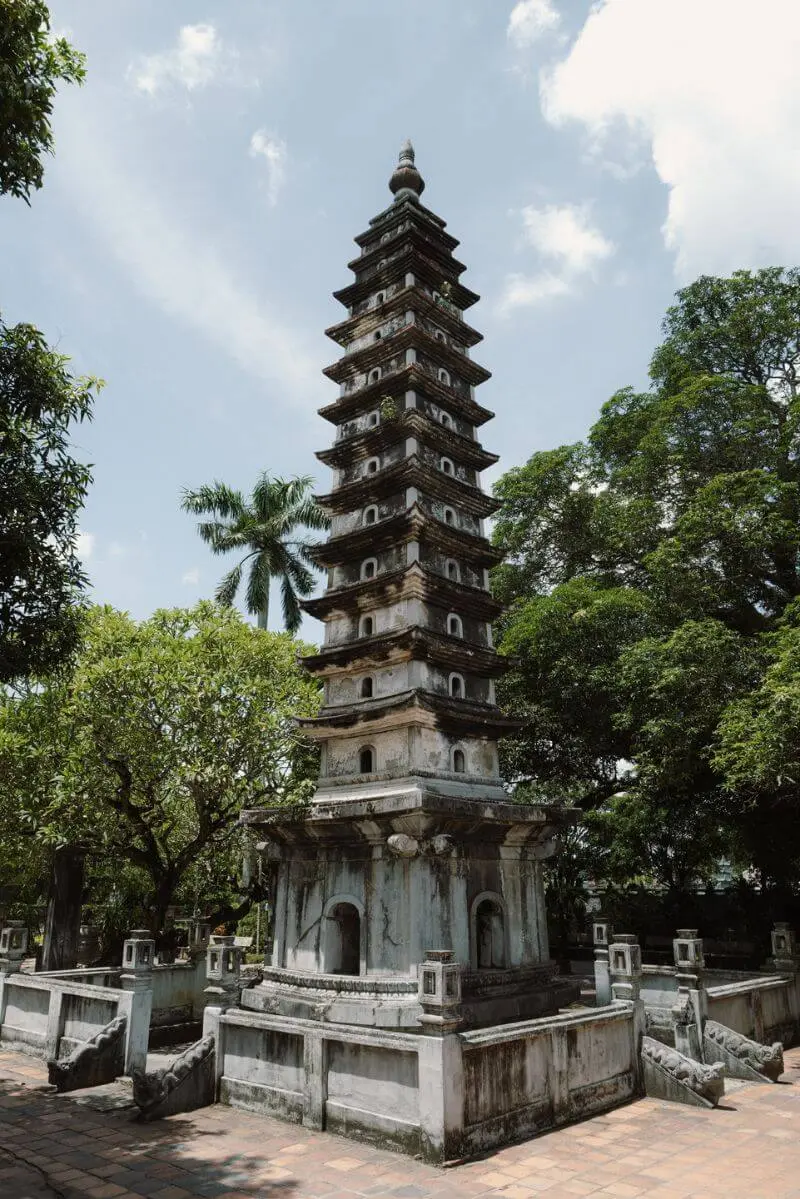
Phổ Minh Tower (Nam Định): A masterpiece of Trần Dynasty architecture.
Buddhism was introduced to Vietnam in the early years of the Common Era and has a history of nearly 2,000 years. Throughout the Dinh, Le, Ly, Tran, Le Trung Hung, and Nguyen dynasties, Buddhism has not only been a religion but has also deeply integrated into the spiritual life, becoming the foundation of the nation's philosophy and culture. This brilliant development is most clearly evidenced by the thousands of ancient temples scattered throughout the country, preserving the artistic essence of each period.
Unlike the grandeur of Western religious structures, Vietnamese Buddhist architecture emphasizes humility and harmony with nature. Temples and pagodas often use wood and brick, with a design featuring soaring curved roofs. The interior space is divided into many solemn and tranquil worship halls. A special highlight in this spiritual space is the system of ritual objects, Buddha statues, and lotus-shaped stone pedestals. Ancient stone pedestals, reflecting the artistic style of the Mac or Le Trung Hung dynasties, are often elaborately carved with motifs of dragons, phoenixes, waves, chrysanthemums, and other flowers, showcasing the worldview and masterful craftsmanship of ancient artisans.
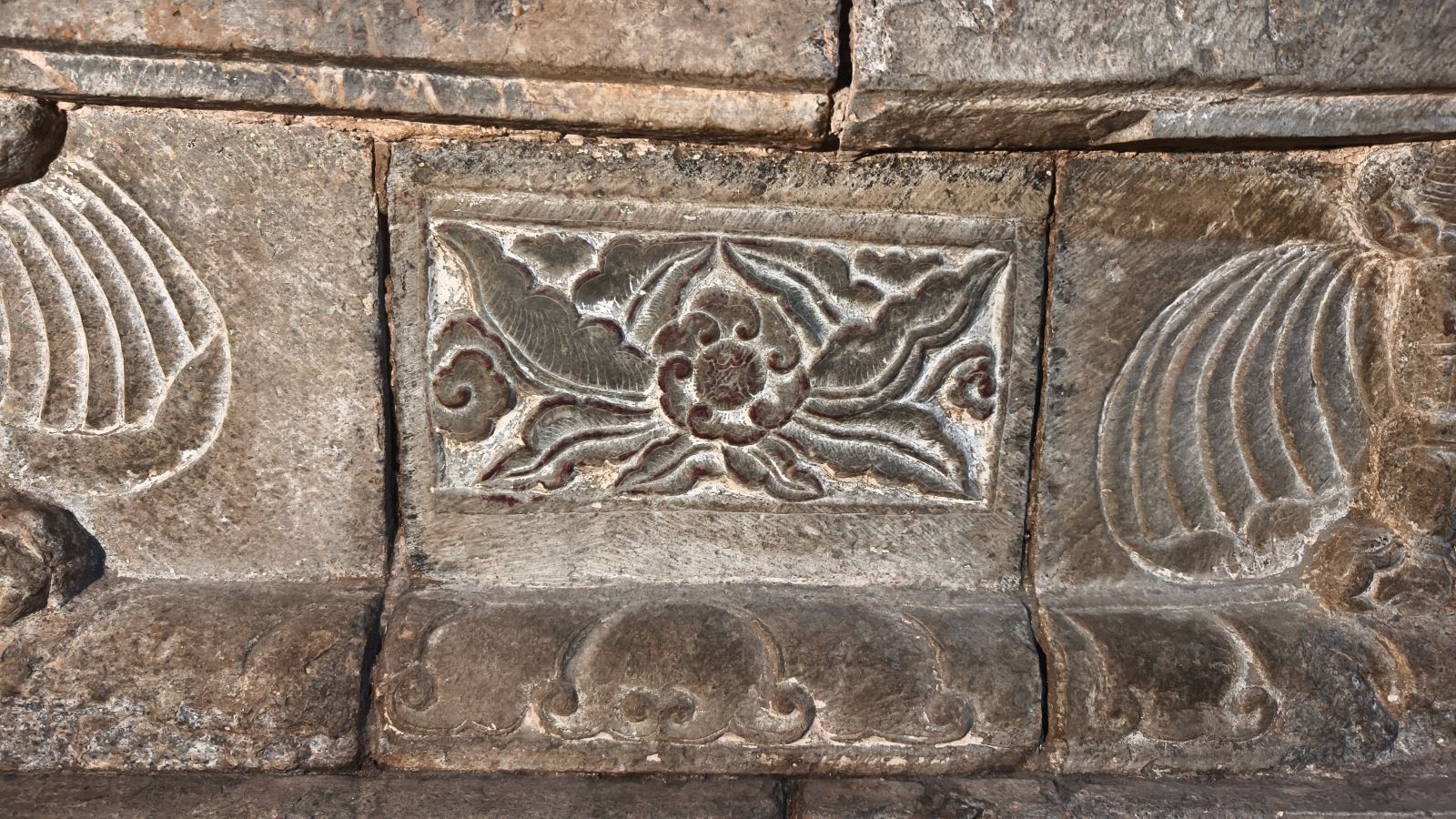
Despite being crafted from the most solid blocks of stone, these structures and artifacts could not withstand the ravages of time. Over hundreds of years, under the influence of the humid tropical monsoon climate, temperature fluctuations, mold, and the constant covering of incense smoke, the surfaces of the stone pedestals have been severely weathered. Many carved details have faded, chipped, or changed color. Without timely preservation measures, these "stone pages of history" risk disappearing forever.

Faced with the threat of heritage loss, traditional manual surveying and 2D photography methods no longer meet the stringent conservation requirements. 3D scanning technology emerged as a lifeline. By recording millions of spatial coordinate data points (Point Cloud), 3D scanners create a "digital twin" accurate to the micrometer. This data source not only helps to permanently preserve the original shape but also serves as an absolutely precise reference system for archaeologists and architects to carry out reconstruction and restoration when physical artifacts are damaged in the future.
The current 3D scanner market is very diverse, but to meet the demands of digital archaeology, the equipment must achieve a balance between accuracy and flexibility. The 3DeVOK MT stands out as a phenomenon thanks to its impressive technical specifications:
3. Why did Real3dx choose 3DeVOK MT for the digitization project?
That's the theory, but the reality at Huong Trai Pagoda and Dai Bi Pagoda was a completely different story. The worship spaces there were extremely cramped, the rooms were very dark, and severely lacking in light. Furthermore, the surface of the ancient stone pedestals was glossy black due to long-term incense smoke stains.
The Real3dx Vietnam team decided to use 3DeVOK MT precisely because of its ability to combine the power of laser and structured light. In a dark environment and with dark-colored stone materials, the green laser penetrates optical interference extremely well to capture sharp contours, while the infrared structured light helps to track a wide area without the need for reflective spray or marker stickers.
On-site, the biggest challenge didn't come from the artifacts themselves, but from the physical space. The ancient stone pedestals at the two pagodas were quite massive, measuring up to 2-3 meters in length. However, the gap between the pedestals supporting the statues, or between the stone base and the wall, is only a mere 50-60cm.
With such a narrow space, the operator has almost no room to move back to get a wider angle or change position. Conventional scanners, when forced into this tight space, will immediately lose tracking, forcing the user to start scanning again from the beginning, causing frustration and interrupting the entire process.
4. When difficulties are no longer challenges
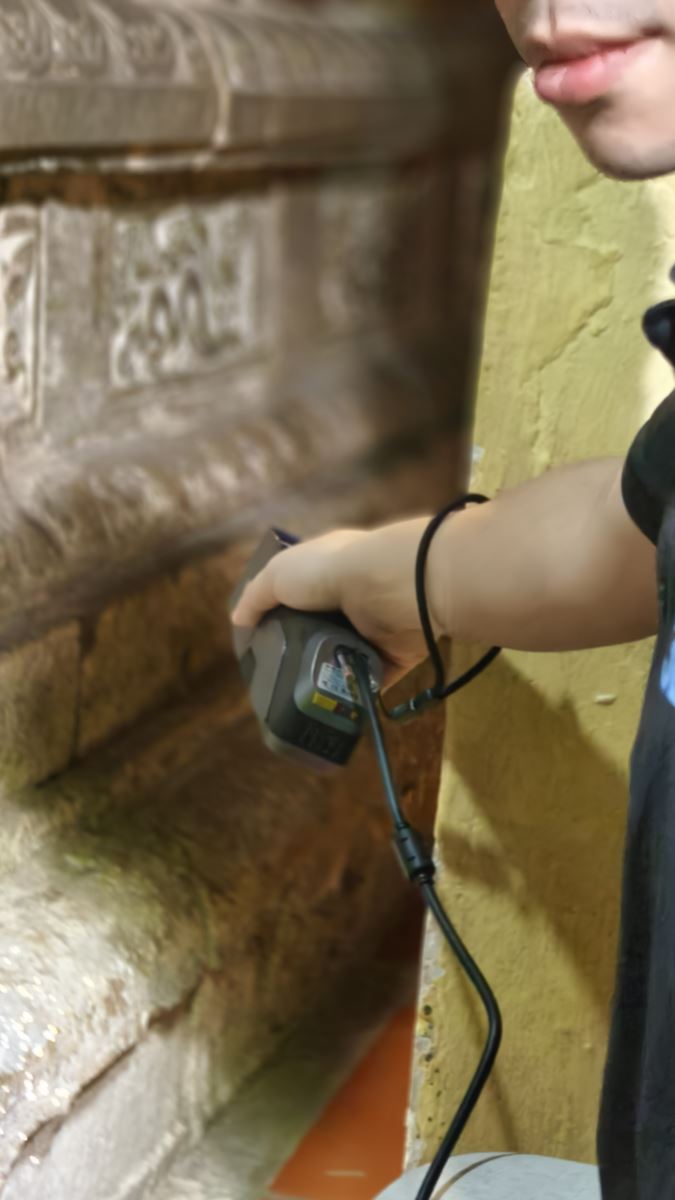
Narrow, inaccessible spaces pose a challenge for industrial-grade 3D scanners.
However, the combination of expert Bui Son Nam's skills and 3DeVOK MT's algorithms transformed this obstacle into an opportunity to showcase its power. Thanks to its compact design (only 640g) and frame rate of up to 70 FPS, the device easily navigates through narrow 50cm gaps. The machine maintains extremely stable tracking, smoothly scanning even hidden areas without interruption.
Amazingly, the entire task of digitizing a 3-meter-long stone pedestal with countless intricate carvings was completed smoothly and efficiently in just 20 minutes – a record for fieldwork under harsh conditions.
Mr. Bui Son Nam shared: "The operation process went much more smoothly than initially anticipated. The machine didn't require overly complex parameter settings when switching from a dark area to an area with light. The software's automatic noise removal and real-time data stream stitching gave the technical team complete confidence in the results right on-site, without having to bring the data back to the office to check for errors."

The results obtained from the 3DeVOK MT scanner are confirmed to be accurate and consistent.
After exporting the file, measurements on the 3D model showed perfect geometric accuracy, clearly displaying even tiny chips less than 1mm in size on the succulent petals. However, what surprised the Real3dx team most was the 3DeVOK MT's color camera system (Texture Camera). Its ability to reproduce the surface colors of mossy rocks, mottled patches, and water stains caused by humid air over time was incredibly realistic, vivid, and far exceeded initial expectations, creating a visually appealing 3D model ready for virtual reality (VR/AR) display.
From the perspective of seasoned professionals, it can be affirmed that: In the entry-to-mid professional 3D scanner segment, the 3DeVOK MT truly demonstrates superiority, leaving many competitors on the market far behind. Very few devices in the same price range can survive the ultra-narrow, low-light scanning test without using marker points while still maintaining such impressive geometric sharpness and color accuracy. It blurs the line between a consumer device and an expensive industrial measurement tool.
6. Conclusion
Cultural heritage and ancient architectural works are not only assets of the past, but also the crystallization of national identity, the cultural "identity" of each nation. Preserving and protecting these values from the erosion of time is a heartfelt imperative for those working in culture and technology.
Using specialized 3D scanning equipment is the key to realizing that mission. And through the project at the Hoai Duc ancient temple complex, Real3dx Vietnam has proven its extremely correct choice. The 3DeVOK MT device not only excellently completed the task but also exceeded expectations, deserving to be a "powerful assistant" in the journey of preserving the identity and soul of Vietnamese heritage in the digital space.
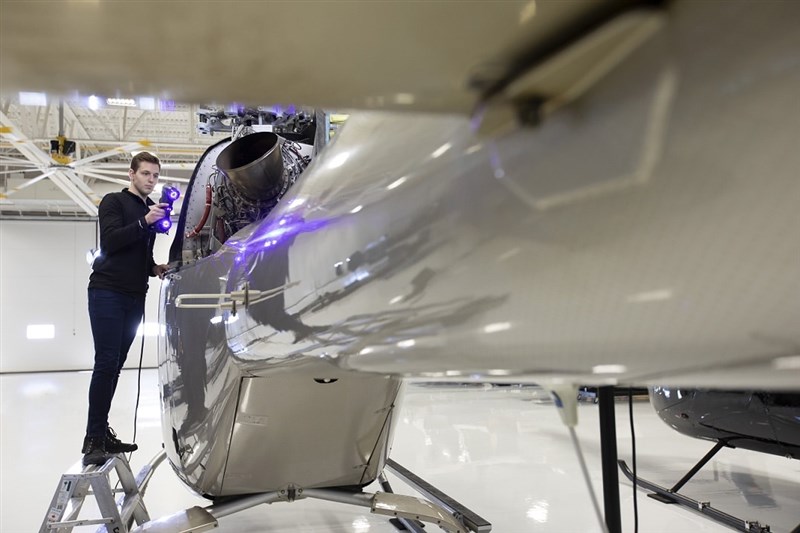
The aerospace industry demands absolute precision and safety, from design and development to testing and manufacturing. Given these stringent requirements, the application of advanced technology to improve processes is crucial. 3D scanning technology is a cutting-edge solution, providing a detailed and comprehensive view of aircraft or components, enabling manufacturers to detect and address defects early on.
View more
On June 25, shares of the American semiconductor giant Nvidia officially set a new record, rising by 4.3% to close at $154.3 per share. This surge pushed Nvidia’s market capitalization to $3.77 trillion, allowing the company to surpass Microsoft and reclaim its position as the world’s most valuable company by market cap.
View more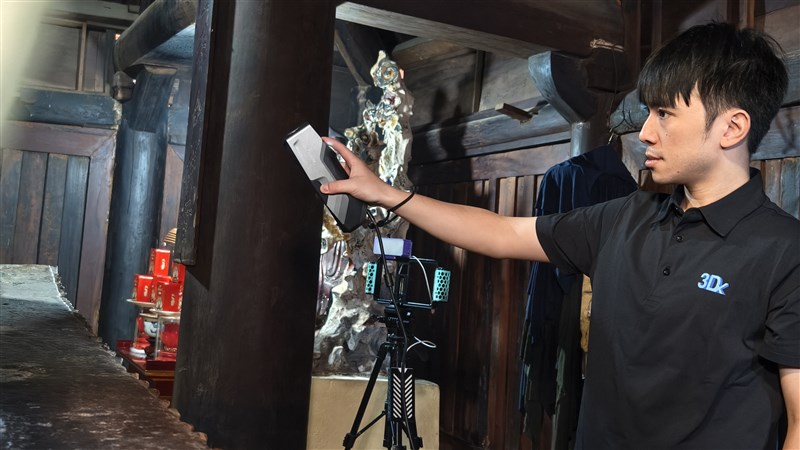

 Tiếng Việt
 English
